Understanding and Tackling Foot Corns: A Simple Guide
Have you ever felt a sharp, localized pain when wearing your favorite shoes? You might be dealing with a common foot nuisance: a corn. Foot corns are not just rough patches of skin; they are your body’s defense mechanism gone slightly awry. Understanding what they are, how to treat them safely, and how to prevent their return is key to happy, healthy feet.
What Exactly Are Foot Corns?
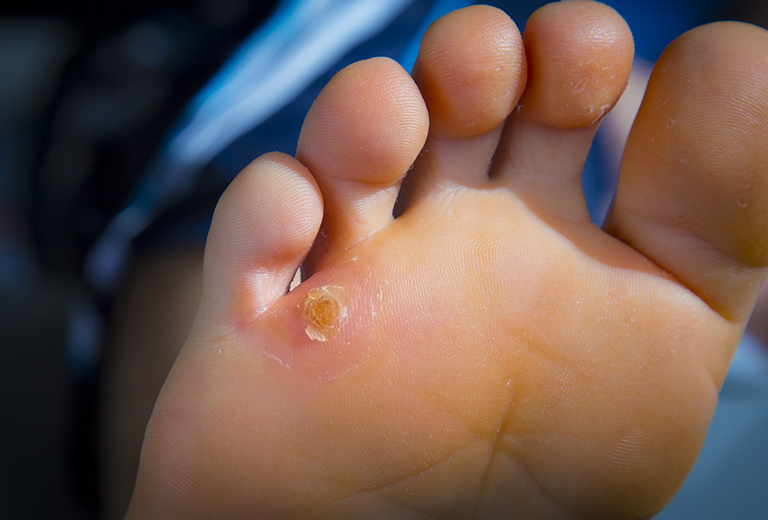
A foot corn is a small, circular area of thickened, hardened skin that develops in response to persistent friction or pressure. Think of it as your skin’s attempt to protect the deeper tissues beneath it by building a tough shield. There are two main types:
- Hard Corns: The most common type. They are small, dense, and have a well-defined center. They typically form on the tops or sides of toes, often over bony areas.
- Soft Corns: These are whitish, rubbery, and often appear between toes where moisture softens the thick skin.
The primary culprits are ill-fitting footwear (too tight, too loose, or with prominent seams) and repetitive actions like long walks or running. Certain foot deformities, like hammertoes, can also make you more prone to them.
Treatment Options: From Professional to At-Home
Professional Medical Treatments:
If a corn is very painful, infected, or you have poor circulation or diabetes, always see a doctor or a podiatrist (foot specialist). They can offer safe, effective solutions:
- Debridement: Using a sterile scalpel to painlessly pare down the thickened skin, providing immediate relief.
- Custom Orthotics: Prescribing specially made shoe inserts to redistribute pressure and address the root cause.
- Surgery: In rare cases, correcting an underlying bone deformity causing the friction.
At-Home Care (For Mild Cases):
For simple, uncomplicated corns, you can try:
- Salicylic Acid: Available in patches, drops, or gels. This medication helps dissolve the keratin in the corn. Use cautiously, following package instructions, and avoid using on broken skin.
- Soaking and Gentle Filing: Soak your foot in warm, soapy water for 10-15 minutes to soften the corn, then gently file it with appropriate tools (see below).
Essential Foot Care Tools for Safe Removal
If you choose to file a softened corn at home, using the right tools is crucial to avoid injury and infection.
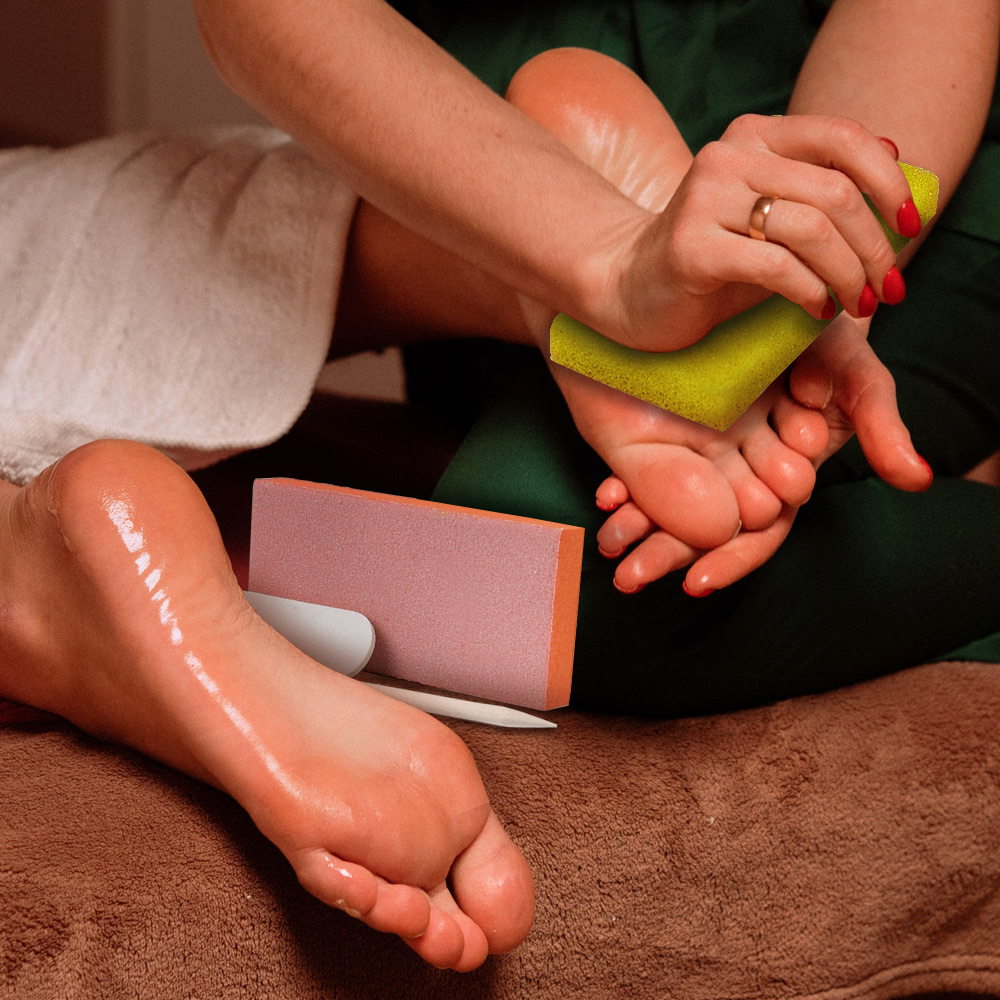
- Pumice Stone: A natural, abrasive stone. Use it gently in a circular motion on damp skin after a soak. Rinse it and let it dry completely after each use.
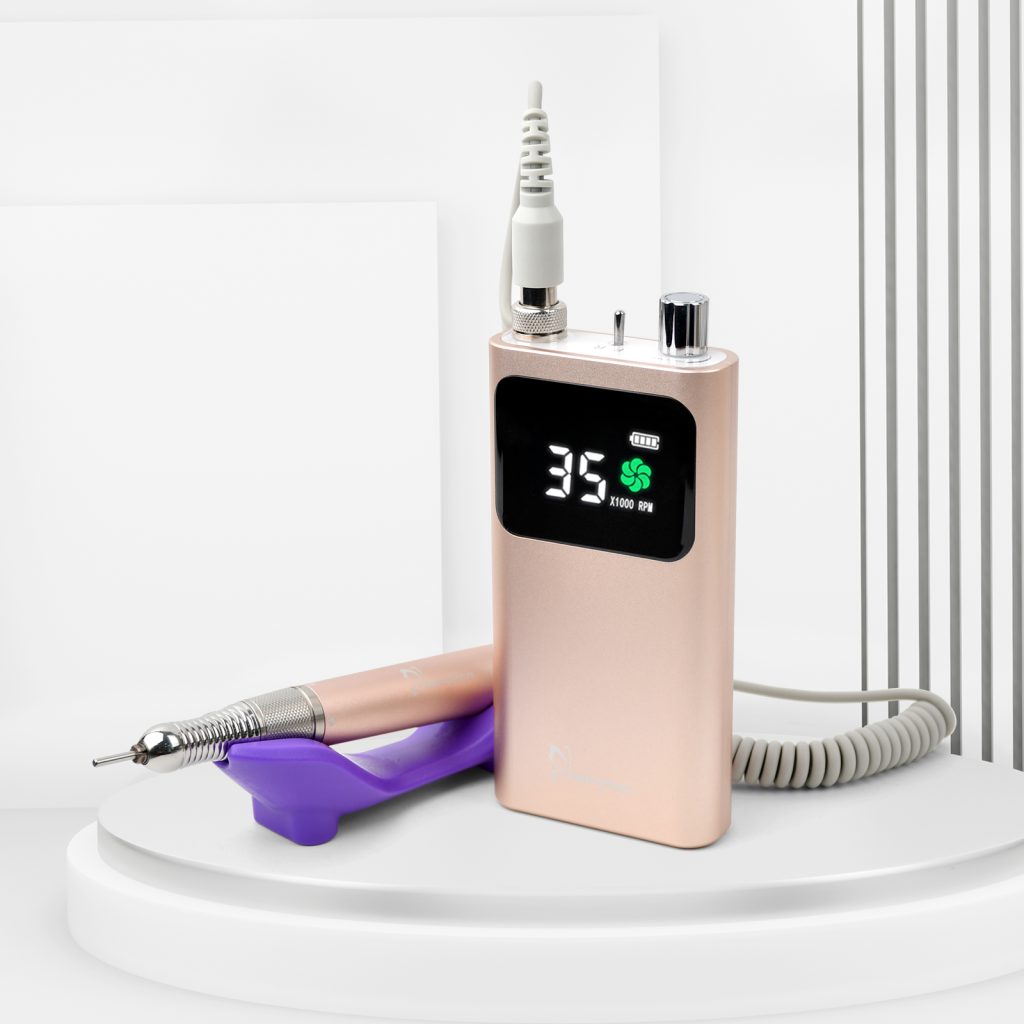
- Foot File or Emery Board: These have a coarse grit side for filing and a smoother side for finishing. Electric nail files are effective but require extra care.
- Toe Guards and Pads: While not removal tools, non-medicated doughnut-shaped pads can relieve pressure on the corn, reducing pain and preventing it from worsening.
Golden Rule: Never use razors, sharp blades, or scissors to cut off a corn. This leads to serious risks of infection and bleeding.
Prevention: The Best Medicine
Stopping corns before they start is the most effective strategy:
- Shoe Savvy: Wear properly fitted shoes with a wide toe box. Avoid shoes that pinch or rub.
- Sock Selection: Choose seamless socks made of moisture-wicking materials to reduce friction and keep feet dry.
- Regular Moisturizing: Apply a good foot cream daily to keep skin supple and less likely to thicken abnormally.
Post-Removal Foot Care
Once the corn is gone, your job isn’t over. Proper aftercare prevents recurrence:
1. Keep it Smooth: Regularly use a pumice stone on damp skin during showers to prevent new buildup.
2. Hydrate Diligently: Moisturize your feet every day, focusing on formerly affected areas.
3. Wear the Right Shoes: Continue wearing your well-fitted, comfortable footwear. Consider using protective pads on known pressure points.
4. Stay Vigilant: Check your feet weekly for signs of redness or new hardening. Address minor friction points immediately.
Foot corns are a common but manageable condition. By combining gentle self-care with smart prevention and knowing when to seek professional help, you can keep your feet smooth, comfortable, and ready for every step. Listen to your feet—they’ll thank you for it.
Read also: Baby Boomer Nails: A Novel Nail Art Trend

Related Posts
Mastering Nail Drill Bits for Short French Manicures
Baby Boomer Nails: A Novel Nail Art Trend
